Every December, the hills of Nagaland come alive with one of India's most spectacular cultural celebrations—the Hornbill Festival. Held at the iconic Kisama Heritage Village near Kohima, this festival brings together the rich traditions, music, dance, food, and craftsmanship of Nagaland's diverse tribes under one roof. More than just a cultural event, it is an unforgettable journey into the heart of Northeast India's heritage. If you're planning to experience the Hornbill Festival 2026, here's everything you need to know about the festival venue and why Kisama Heritage Village deserves a place on your travel bucket list.
Kisama Heritage Village: The Soul of Nagaland
Imagine this: You’re in a valley, fog-shrouded mountains all around. The air is heavy with woodsmoke and damp earth. Crowds of people in traditional dress are milling about, moving slowly, their clothes a riot of colour. Bamboo drums resound. Your pulse rises with the beat. This is the Hornbill Festival.
Every December, something extraordinary happens in Kisama Heritage Village, nestled in Nagaland's capital, Kohima. Museums don’t show ancient traditions. They walk, they dance, they sing, they breathe. The Hornbill Festival isn't a performance you watch from the sidelines. It's an invitation to step into a world where culture flows like water. And to truly arrive at this magic—as someone genuinely changed—you need the Hornbill Festival Itinerary from Himalayan Yatra.
*Here is the complete guide of the 7 Days Hornbill Festival Itinerary 2026
The Place Where 17 Tribes Celebrate As One
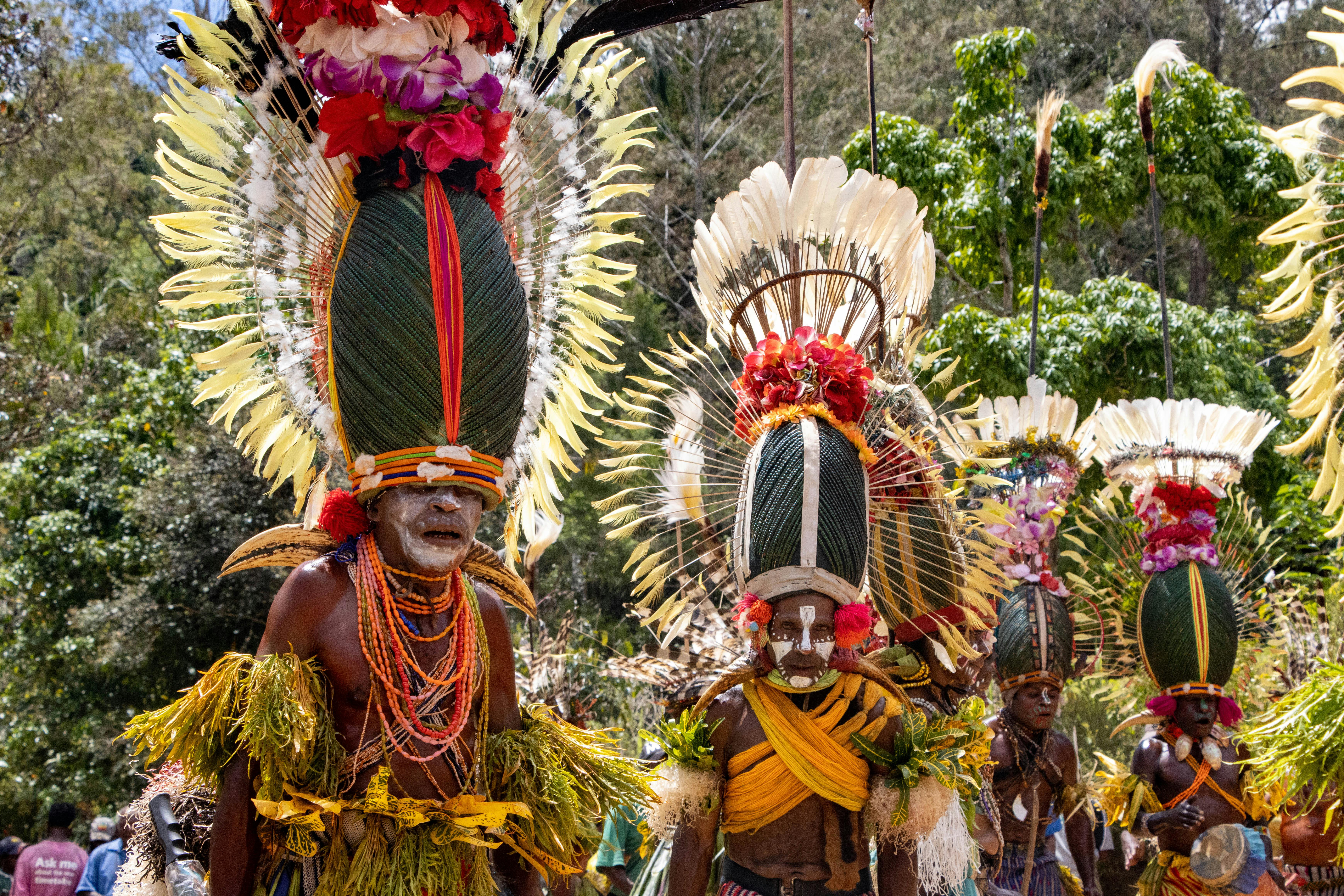
Picture yourself walking into this vast heritage village for the first time. And here, seventeen different tribes have come together, each with its own identity and stories. The Angami, the Ao, the Chang, the Chokri, the Dimasa, the Garo, the Karbi, the Khiamniungan, the Konyak, the Kuki, the Lotha, the Mao, the Pochury, the Rengma, the Sema, the Sumi, and the Yimchunger—each represents centuries of culture that has survived countless changes.
At the Hornbill Festival, this diversity becomes unified. Colours burst out all over the place. Old ways build high bamboo towers to the sky, no nails, just knowledge passed down through generations. The craftsmanship tells you this isn’t casual, this matters deeply.
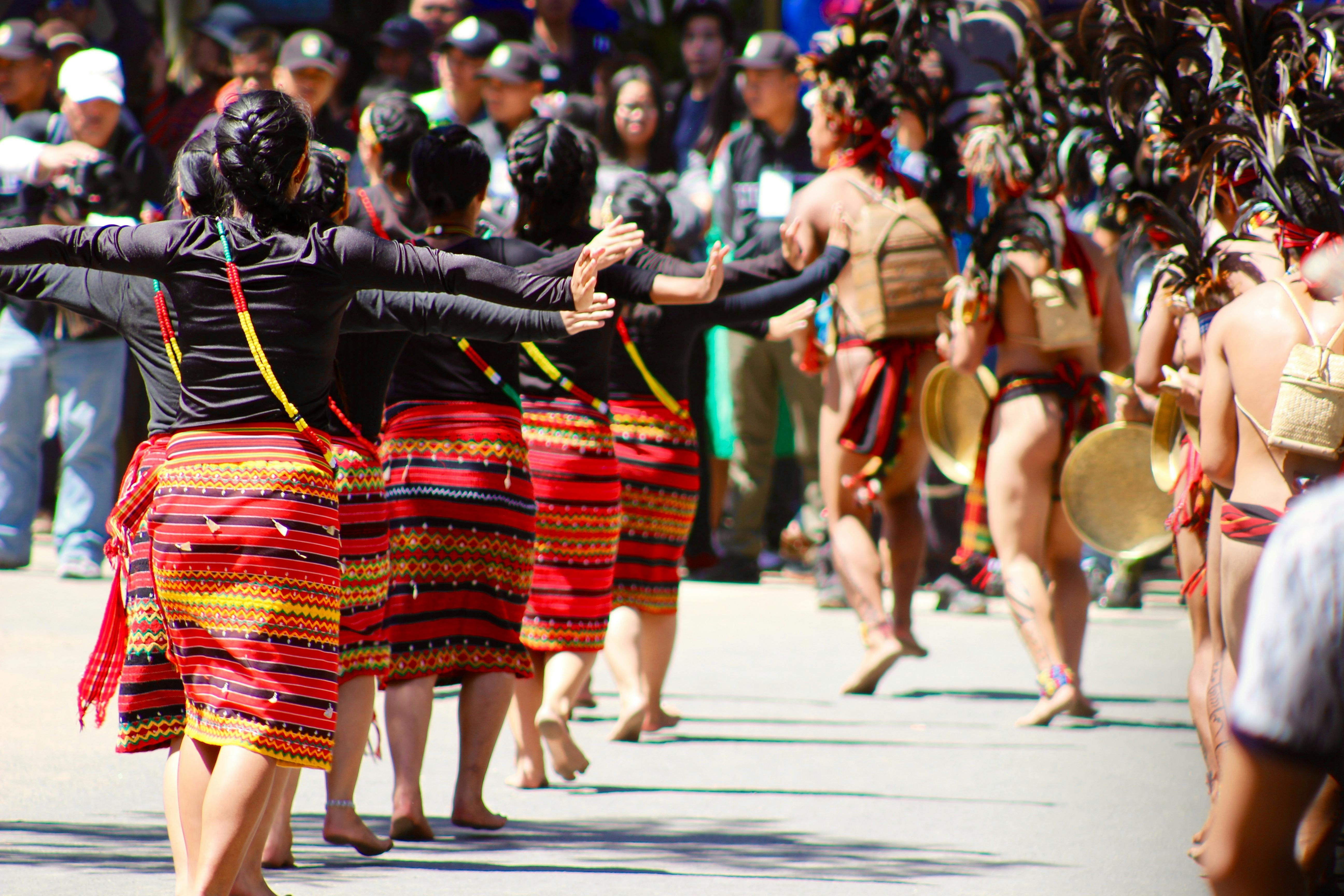
Dances of the Warriors, stories of hunts, celebrations, and spiritual connections all across the festival grounds. These aren't staged for tourists. These are living expressions of cultures that have survived centuries of change. You feel something shift, watching them. You get it that you are witnessing something truly sacred.
*If you want to explore Meghalaya! Here's the complete Meghalaya Tour Guide you can check
The Sensory Overload of the Hornbill Festival
The noise hits you. Bamboo drums bounce out of valleys with a beat that’s both old and urgent. Music from several stages combines into a chorus that feels like it’s come from the land itself. Your heart pounds in time with the drums.
Smell takes you. The air is heavy with the smell of Naga food, recipes handed down through generations, cooked over open fires. Smoked pork, fresh fish, and vegetables are cooked with spices unique to these tribal communities. Every meal is a story. Every flavour connects you to the land and the people.
Taste becomes something like education. When you eat through the Hornbill Festival Itinerary, you are not just consuming food—you are consuming culture. Each dish carries history. Each recipe represents a tribe's relationship with the land and seasons. The spices are the ones that grow in these mountains. The ways of cooking are of spiritual significance.
Touch takes on new meaning. Your hands hold the work of artisans whose skill is like magic. Beadwork that took weeks to complete. Weaving so detailed that it takes your breath away. Wooden pieces carved with generations of knowledge. Bamboo buildings are made for a purpose. When you buy direct from craftspeople, you are supporting livelihoods and keeping traditions alive. Visual beauty overwhelms you. Traditional dress transforms people into living artwork. Every colour means something. Every pattern tells a story about which tribe, what ancestors believed, and where the family comes from. Warriors wear headdresses with feathers reaching toward the sky. Women wear beads and fabrics, making geometric poetry. Children wear miniature versions of tribal dress, learning that these traditions are theirs.
The Spirit of the Hornbill Festival
The Hornbill Festival is not a random spectacle. It is full of significance. Every December, following the harvest, the tribes of Nagaland unite to celebrate survival, continuity, and the power of community. In tribal legend, the Hornbill is a bird that signifies prosperity and the link between earth and sky.
When you get this meaning, everything changes. The celebrations become profound. The gatherings become spiritual. The Hornbill Festival becomes a ceremony of life itself, a declaration that we are here, we matter, we will continue.
The festival stretches across multiple stages at Kisama Heritage Village. Main stages feature the most elaborate tribal dances representing hundreds of years of tradition. Secondary stages showcase younger artists stepping into these roles. Booths full of crafts honed over generations. Art installations paying tribute to ancient wisdom, modern creativity. Food courts serve authentic cuisine prepared by cooks trained by their mothers and grandmothers.
You walk through the Hornbill Festival and meet warriors with sacred patterns on their faces, women who teach their daughters how to wear their heritage. You witness children learning dances they'll perform for lifetimes. You feel tradition being carried forward by people who deeply understand its value.
*Also, if you want to explore Darjeeling & Gangtok after this tour! Here's the Complete Darjeeling & Gangtok Tour Plan
Why You Need the Hornbill Festival Itinerary to Truly Experience It
Thousands visit the Hornbill Festival each December. Most arrive for a day or two. They see the spectacle. They photograph. They leave.
But something is missing. They saw it, but did they truly understand it? Did they feel the weight of history? Did they comprehend why these traditions matter so profoundly? Did they realise they were witnessing cultural survival itself?

The Hornbill Festival Itinerary exists for this reason. It's the complete gateway to understanding—transforming you from spectator into genuine witness, from observer into true participant. The Hornbill Festival Itinerary brings you through Guwahati, where spiritual essence opens your heart. The Brahmaputra Sunset Cruise prepares you emotionally. Kaziranga is the lesson of ecological consciousness, the Naga philosophy of living as guests in nature. Kohima is the experience of families negotiating the balance between modernity and roots. Khonoma is an example of how culture and sustainability are interwoven.
Then, fully prepared, you arrive at the Hornbill Festival at Kisama Heritage Village. It hits differently. The dances mean something because you understand context. You comprehend the sacrifice these communities are making. You grasp spiritual significance. The Hornbill Festival Itinerary transforms everything.
What the Hornbill Festival Itinerary Includes
The Journey: Immersion in Assam & Nagaland for 7 Days 6 Nights
The Route
- Guwahati: Kamakhya Temple and Brahmaputra Sunset Cruise - spiritual grounding
- Kaziranga: Early morning wildlife safaris
- Kohima: Cultural Immersion and Preparation - Meeting the folks whose traditions you will witness
- Kisama Heritage Village: Experiencing the spirit of the Hornbill Festival
- Khonoma: Asia’s first green village - seeing how culture and ecology come together
- Dimapur: Departure
The Accommodations:
Carefully selected hotels that respect comfort and originality. Each was picked for cultural affinity, not simply comforts. What's Included: - Local breakfast and luxury accommodation
Hornbill Festival Tours & Sightseeing
- Safaris at Kaziranga National Park during the best viewing times
- Brahmaputra River sunset tour
- Guides who are professional and culturally sensitive
- Small group experience, personal, not crowded
- All transfers & coordination
It’s not just what you see, it’s how you feel. The Hornbill Festival Itinerary is created in such a way that you reach emotionally and psychologically prepared. By the time you reach the Hornbill Festival, you can feel the culture in your bones.
The Hornbill Festival: A Living Proof of Perseverance
The Hornbill Festival is a sign of something becoming rarer: communities opting to save their history. In a time when traditional traditions are fading worldwide, Nagaland is a shining light of cultural resolve.
At the Hornbill Festival, you see young people performing dances that their great-grandparents performed. You see teenagers who have learned to craft traditional dress, wearing it proudly. You see families performing rituals that connect them to their ancestors. This isn’t nostalgia—it’s a living, actively chosen culture. The craftsmanship at the Hornbill Festival amazes you. Artisans make intricate beadwork that takes weeks to complete. Weavers make textiles with spiritual patterns. Carvers carve wood in beautiful spiritual shapes. Bamboo craftsmen build buildings with techniques learnt from their families. Every item is the result of skilled labour and generations of knowledge.
Why People Keep Coming Back
The Hornbill Festival Itinerary does something amazing. It creates travellers who come back and tell their friends. This is real word of mouth from travellers whose lives were changed by the Hornbill Festival Itinerary.
What makes it different is intentionality. Every element serves one purpose: ensuring you truly understand and connect with the Hornbill Festival. You don't rush or check boxes. Through the Hornbill Festival Itinerary, you arrive fully present—tasting history through food, experiencing dances as spiritual expression, meeting people as neighbours.
The Hornbill Festival Itinerary starts from ₹55,000 per person (twin sharing) for 6 nights and 7 days.
Two departure dates for the Hornbill Festival Itinerary:
- Departure I:30 November – 06 December 2026
-Departure II:04 December – 10 December 2026
Slots fill quickly for the Hornbill Festival Itinerary because people who have experienced it become ambassadors. They tell friends. Their friends tell colleagues. The word spreads naturally because the experience is genuinely transformative.
*Contact us for more details
The Hornbill Festival Awaits You
The Hornbill Festival at Kisama Heritage Village is waiting. The mountains are mist-covered. The tribes are preparing. The traditions are ready to be witnessed and honoured.
The Hornbill Festival Itinerary is the key. It turns a tourist into a spiritual journey. It makes you see the celebration and understand it. You do not just see the traditions, but connect to them. You do not just visit Nagaland, but find yourself there.
This is the Hornbill Festival Itinerary. This is how you truly experience the Hornbill Festival.
Visit www.himalayan-yatra.com to reserve your place on the Hornbill Festival Itinerary. Choose your departure date. Secure your seat in this intimate group experience. Prepare to be transformed.
Frequently Asked Questions (FAQs)
1. Where is the Hornbill Festival held?
The Hornbill Festival is held at Kisama Heritage Village, located about 12 km from Kohima, the capital of Nagaland. The village is specially designed to showcase the rich cultural heritage of Nagaland's tribes and serves as the official venue for the annual festival.
2. Why is Kisama Heritage Village famous?
Kisama Heritage Village is famous for hosting the Hornbill Festival, often called the "Festival of Festivals." It features traditional tribal morungs (heritage houses), cultural performances, local handicrafts, authentic Naga cuisine, music concerts, and exhibitions that celebrate the diverse traditions of Nagaland.
3. How can I reach Kisama Heritage Village?
The easiest way to reach Kisama Heritage Village is by first travelling to Dimapur, which has the nearest airport and railway station. From Dimapur, you can drive approximately 75 km to Kohima and then continue another 12 km to Kisama Heritage Village by taxi or private vehicle.
4. What can visitors experience at the Hornbill Festival?
Visitors can enjoy traditional tribal dances, folk music, indigenous games, handloom and handicraft exhibitions, authentic Naga food, cultural competitions, adventure activities, and live performances by local and international artists. The festival offers an immersive experience of Nagaland's unique tribal heritage.
5. When is the best time to visit the Hornbill Festival?
The best time to visit is during the first week of December, when the Hornbill Festival takes place every year. Planning your trip in advance ensures better accommodation options and allows you to experience the festival's major cultural events and performances.